
| Item | What to do | How often | Avoid | Minutes |
|---|---|---|---|---|
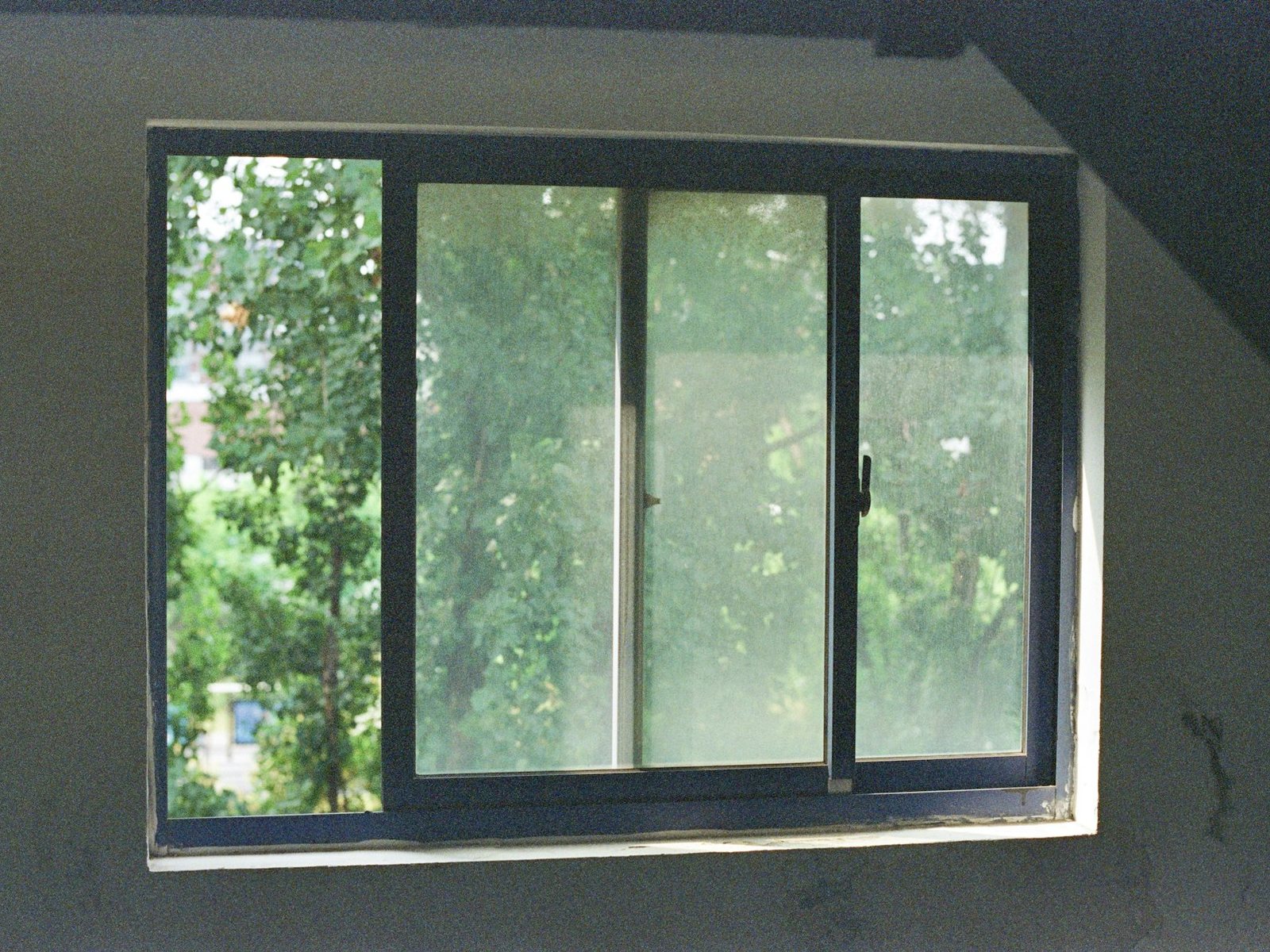
| Sliding tracks | Brush or vacuum the grit out of the bottom track, then wipe with a damp cloth; a small brush for the corners | Monthly | Heavy oil or grease — it collects dust | 10 |
| Rollers and locks | A light dry silicone spray; slide the sash gently | Twice a year | Yanking a stiff sash or forcing the lock | 5 |
| Drain holes and silicone | Clear the small holes at the bottom of the outer frame (weep holes); look for cracks or gaps in the silicone | Before and after the monsoon | Sealing the holes with silicone | 10 |
| Glass | Mild soap and water with a microfibre cloth; dry cloth to finish | Monthly | Scouring pads, blades, acid cleaners | 15 |
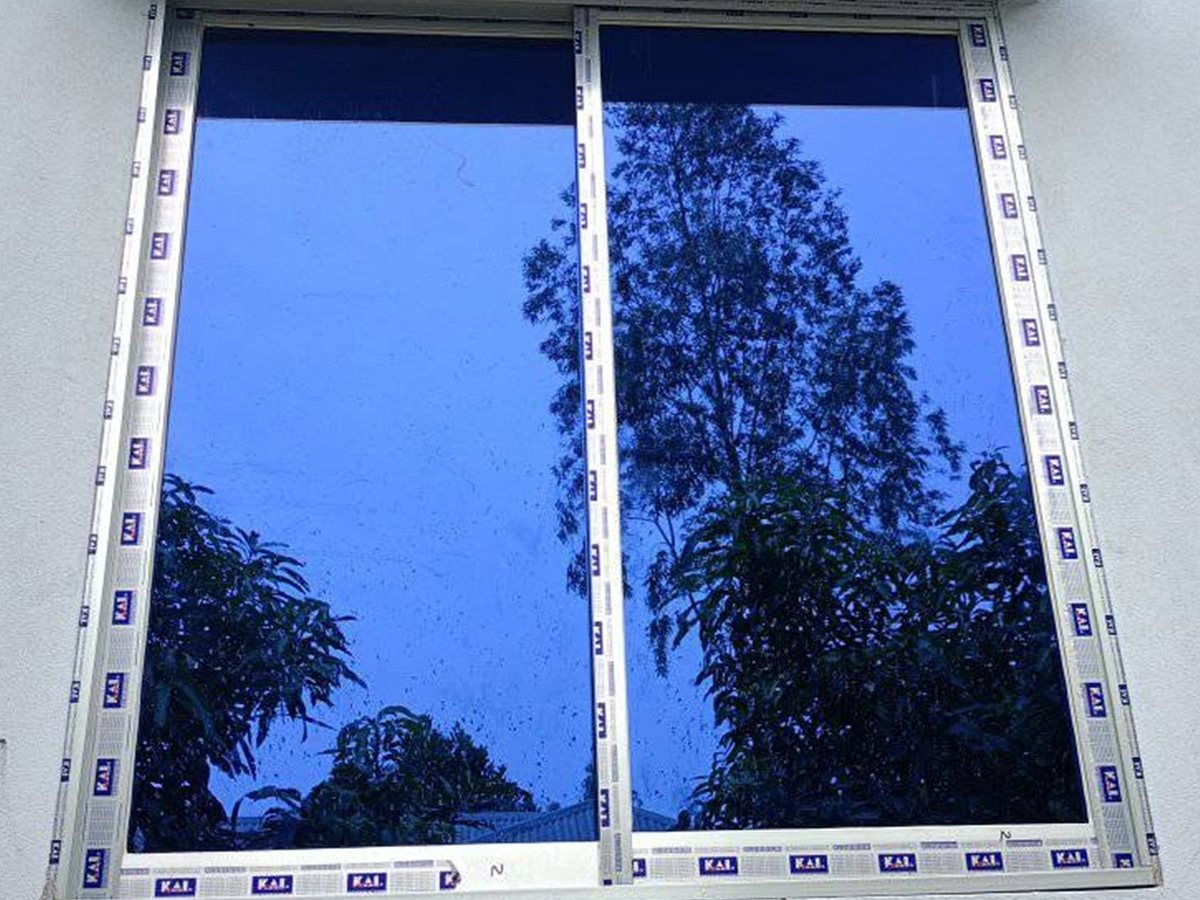
| Reflective and tinted glass | The coating is usually on the inside face — soft cloth, soap and water | Monthly | Ammonia or harsh cleaners on the coated face | 15 |
| Royton and sensor LED mirrors | Dry the edges after wiping the glass; switch a LED mirror off before cleaning | Weekly | Water pooling at the edges; spraying the sensor or LED strip | 5 |
| Cabinet shutters and hinges | Damp cloth on the profile; if a leaf drops, a small adjustment on the hinge screws | Every three months | Leaning on or hanging things from the doors | 10 |
| Mosquito nets | Soft brush for dust; lift the net sash out and rinse gently | Every three months | Pressing on the net; anything sharp | 10 |
| Powder-coated and anodised frames | Soap and water; a dry cloth on black finishes | Monthly | Bathroom acid cleaners and thinners — they stain and etch | 10 |
Times are for an ordinary flat. Exterior silicone is usually renewed every 3 to 5 years; within the one-year installation warranty we adjust rollers, locks and nets ourselves, and after that on a service call with the cost stated first.
The five mistakes that do the most damage
Oil or grease pulls in dust and turns to paste; rollers wear fast. A dry silicone spray, and only a little.
The holes at the bottom of the outer frame let rainwater out; blocked with silicone or dust, the water comes inside.
Splashes of toilet or tile acid leave white marks on anodised aluminium and etch black powder coat — nothing but soap and water on glass and frames.
A heavy sash means grit in the track or a worn roller; forcing it breaks the roller. Clean the track first; if still heavy, call for service.
Steam and water standing at the edge attack the backing of an ordinary mirror; copper-free Royton delays it, and dry edges delay it further.
A 30-minute monthly routine
| When | What | Time |
|---|---|---|
| Every month | All sliding tracks cleared, glass and frames washed with soap and water | 25 min |
| Every week | Mirror edges dried, LED mirror wiped switched off | 5 min |
| April, before the monsoon | Drain holes cleared, exterior silicone checked for cracks, rollers sprayed | 20 min |
| October, after the monsoon | Tracks dried, nets rinsed, hinges adjusted | 30 min |
For service, a photo and a line on WhatsApp is enough — free within the warranty, otherwise the cost is stated before the visit.
When something goes wrong
- Sash heavy or sticking: clean the track first; if it persists the roller needs adjusting or replacing — a service call.
- Water on the sill in rain: check the drain holes and the silicone; send a photo of any gap and the silicone is renewed.
- Net torn: only the net is replaced, the frame stays; a stainless steel net does not tear.
- Cracked glass: the pane size is on our cutting list — new glass to the same size, usually in 1 to 2 days (7 to 10 if tempered).
Questions we are asked
Why does the sash get heavy?
Can I use bathroom acid cleaner near the window?
Why does water come in under the window in rain?
Does a torn mosquito net mean a new frame?
Why are the mirror edges going black?
For service, a photo is enough
A photo of the problem and the area — free within the warranty, otherwise the cost is stated before the visit.
Updated 19 September 2026 · rates valid from 16 August 2026